×
×
Filters
Natus Sensory carries forward the trusted Otometrics® legacywith decades of proven expertise in hearing and balance care. Our hearing assessment portfolio supports the full diagnostic workflow, from routine hearing tests to advanced auditory brainstem response.
Many devices in our portfolio operate with Otosuite® software, supporting centralized data management, reporting, and efficient clinical workflows. This enables consistent and repeatable test procedures across clinicians and clinical environments.
All Natus Sensory hearing testing equipment is developed according to international standards and IEC verification requirements, giving clinicians confidence in compliant, accurate audiometric test results. Backed by global service, calibration, and education support, we help audiology clinics, hospitals, and occupational health programs deliver better patient outcomes.
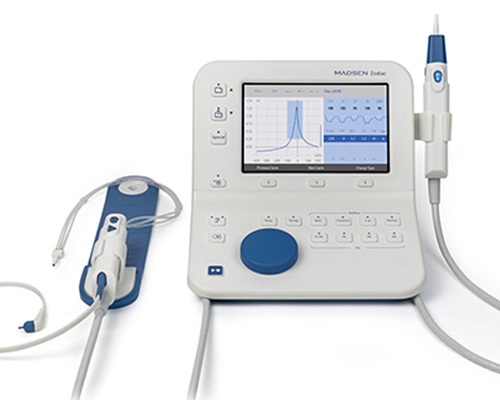
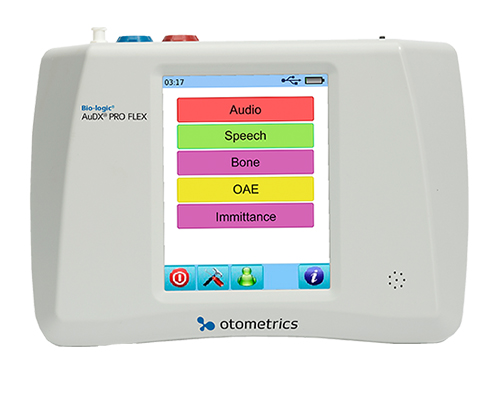
Hearing assessment is the diagnostic process audiologists use to evaluate hearing function across different frequencies. Clinical audiometers measure air conduction and bone conduction thresholds to identify hearing loss type and severity, while immittance solutions evaluate middle ear function, ear canal pressure, and acoustic reflex responses. Together, these tools form the core of any audiometric test battery.
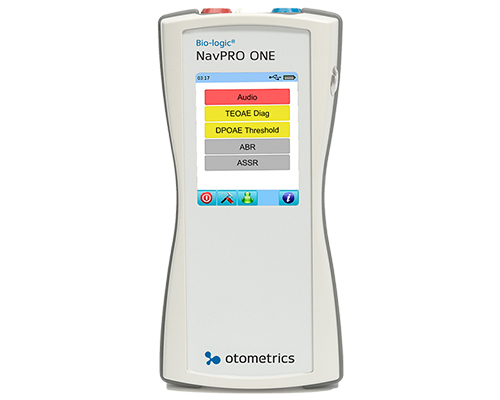
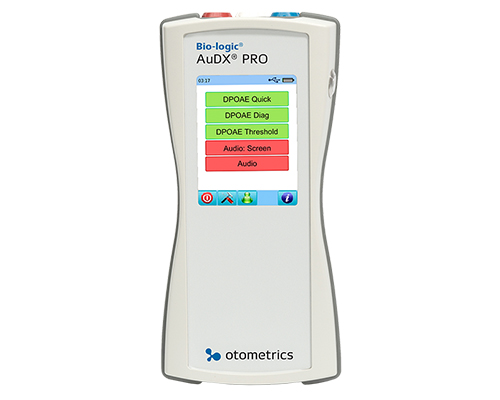
For patients where behavioral testing is not possible, auditory evoked potential (AEP) systems assess auditory nerve and brainstem function through ABR, ASSR, and EcochG testing. Diagnostic OAE systems complement this with an objective, non-invasive assessment of cochlear function using DPOAE, TEOAE, and SOAE protocols, supporting early detection of hearing loss, ototoxicity monitoring, and newborn hearing screening programs.
These products support hearing assessment across all patient populations, from newborns and pediatric patients to adults in occupational health programs. Early detection of hearing loss supports better outcomes for language development, hearing aid fitting, and long-term hearing conservation programs.
Together, these capabilities help clinicians deliver accurate, efficient hearing assessments while meeting international electrotechnical commission and audiometric testing standards.
FAQ
What types of hearing testing equipment does Natus Sensory offer
Our hearing assessment portfolio includes clinical and portable audiometers, immittance, auditory evoked potential (AEP) systems, and diagnostic otoacoustic emissions (OAE) devices. Each is designed to support a range of clinical needs, from routine hearing tests to advanced diagnostic evaluations.
What is the difference between a clinical audiometer and a screening audiometer?
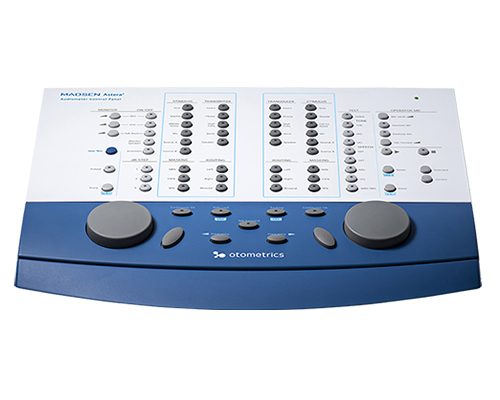
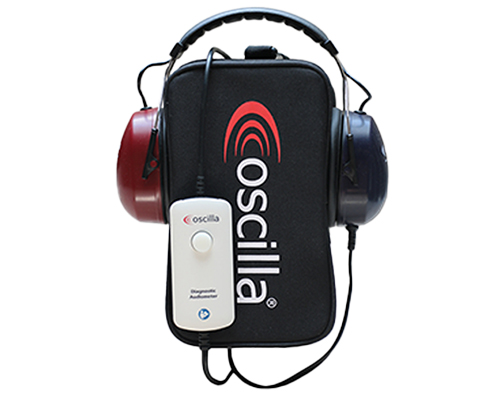
A clinical audiometer like the Madsen Astera2 offers a full range of audiometric testing, including pure tone audiometry, speech testing, bone conduction audiometry, and specialized modules for tinnitus and pediatric evaluation. Screening audiometers such as the Oscilla A30 offer portable solutions for occupational health and mobile testing, while the broader Oscilla portfolio also includes diagnostic audiometers.
What are otoacoustic emissions (OAE) and why are they important?
OAE testing measures sounds produced by the inner ear in response to acoustic stimulation, providing an objective, non-invasive assessment of cochlear function. It supports early detection of hearing loss through screening OAE by assessing cochlear integrity, while diagnostic OAE can be used to monitor ototoxic drug effects and evaluate other pathologies affecting cochlear function.
What is audiometric testing used for?
Audiometric testing measures how well a patient hears across different frequencies using air conduction and bone conduction. Results help clinicians identify the type and severity of hearing loss, guide hearing aid fitting, and track changes over time through standard threshold shift monitoring.
Does Natus Sensory offer calibration and service for hearing testing equipment?
Yes. Hearing testing equipment requires regular audiometer calibration and preventive maintenance to deliver consistent, accurate results. We offer service programs including calibration, technical support, and training resources through our education programs.
Explore our education and learning resources:
Continuous learning ensures that every fitting not only meets standards but also exceeds expectations for accuracy and patient care.
053041 revA