×
Portable OAE and OAE/ABR screeners designed to provide objective pass/refer results efficiently. Across the portfolio, available features include touchscreen operation, probe verification, child-friendly modes, simultaneous binaural testing and configurable screening protocols.
Products
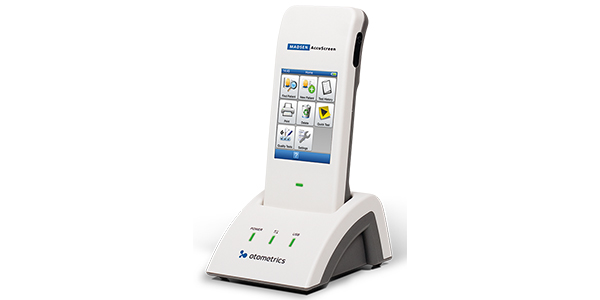
Handheld OAE/ABR screener with rapid testing, customizable settings, and integrated data management.
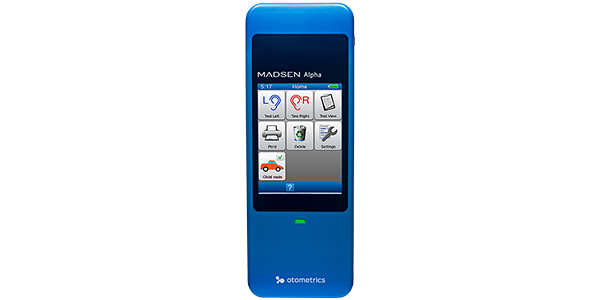
Handheld OAE screener with touchscreen, probe check, pediatric mode, and versatile screening protocols.
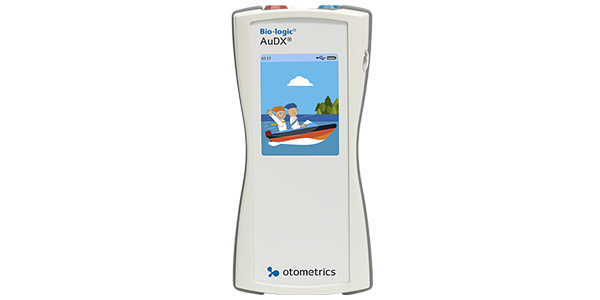
Dual-frequency OAE screener with simultaneous binaural testing, pediatric mode, and configurable OAE and pure tone audiometry options.
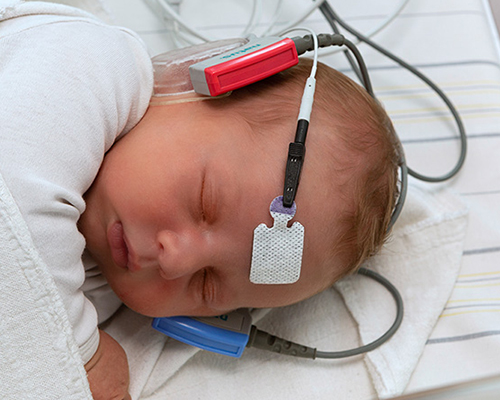
An OAE hearing screener measures otoacoustic emissions to provide an objective assessment of cochlear outer hair cell function; many screening devices, including the Natus Sensory models on this page, are handheld. A small probe with a soft ear tip sits in the ear canal, delivers controlled acoustic stimuli across selected test frequencies and records the cochlear response. Because it relies on a physiological response rather than a patient response, it needs minimal cooperation, which makes it well suited to infants and young children who cannot complete a behavioral hearing test.
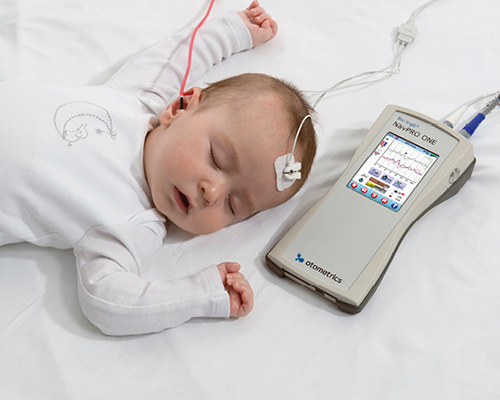
OAE screening is a cornerstone of newborn hearing screening and follow-up, but the same objective screening technology is used well beyond the newborn period, from toddlers to school-age children. A complete test takes only a short time per ear once a good probe fit and low ambient sound are achieved, so a busy clinic can screen many patients in a session. Some screeners, such as the Madsen AccuScreen, add automated ABR (AABR) screening that records the auditory brainstem response and can identify neural auditory abnormalities that OAE screening may not detect, letting one handheld device cover more of the screening process.
These capabilities support audiologists, nurses, and healthcare professionals in delivering reliable hearing screening across settings, from newborn hearing screening in the hospital to follow-up of older children in the clinic and community.
Frequently asked questions
What is an OAE hearing screener, and how does it work?
An OAE hearing screener is a handheld device that measures otoacoustic emissions, the faint sounds the healthy inner ear produces in response to sound. A small probe with a soft ear tip sits in the ear canal, delivers a stimulus, and records the response, giving a clear pass or refer result. Because it relies on a physiological response rather than a patient response, it needs minimal cooperation and works well for screening infants and young children.
What is the difference between OAE and ABR screening?
Both are objective and need minimal cooperation, but they check different parts of the auditory system. OAE screening measures the response the inner ear produces to sound through a probe in the ear canal. ABR screening uses sensors to record the auditory brainstem response, so it can detect hearing loss that occurs beyond the inner ear. AABR evaluates neural responses from the auditory nerve and brainstem and can identify abnormalities that OAE screening may not detect. Madsen AccuScreen combines OAE and AABR screening in one handheld device, while Madsen Alpha focuses on OAE screening and Bio-logic AuDX can be configured for OAE screening and screening pure-tone audiometry.
How long does an OAE hearing screen take?
OAE screening can often be completed quickly, with some protocols returning results within seconds once probe fit and test conditions are adequate Speed depends on the child staying still and the surrounding room being reasonably quiet, since ambient sound can interfere with the measurement. This efficiency makes OAE screeners practical for high-volume screening programs.
Can OAE screeners be used beyond newborns?
Yes. OAE screening can be used from infancy through school age, either when behavioral responses are limited or as part of a broader hearing-screening protocol. Pediatric modes and portable designs support screening in clinics, preschool/school programs, and other community hearing-screening settings
How are Natus Sensory OAE screeners calibrated and supported?
Each device is individually calibrated to internationally recognised standards and device specific procedures. Calibration should be performed at least annually to maintain accurate results over time. Natus Sensory provides global service programs, calibration, technical support, and clinical education, along with a clear user manual and data manager software, to keep screening programs running consistently.
Related Insights - more than 50 years of expert knowledge and experience

Request a quote
Ready to make a difference in patient care?
Learn more about our industry-leading solutions and how we can help advance your care capabilities.
054671 RevA