×
×
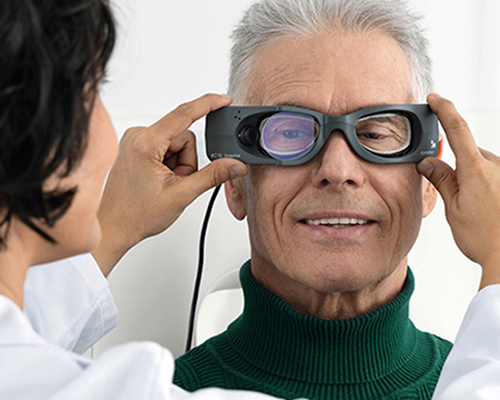
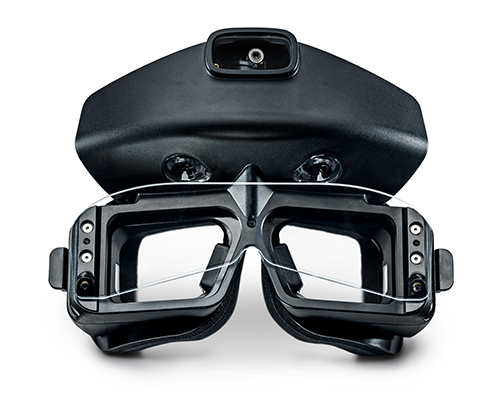
The vHIT systems provide fast vestibular testing through a series of intuitive testing modules. The vHIT, monocular VNG (mVNG) and Special tests system provides customizable options to efficiently assess balance patients while yielding objective measurements that are easy to review. Featuring lightweight USB goggles with high-resolution eye tracking and integrated head position monitoring, these solutions enable precise diagnostics. Designed for clinical workflows, they integrate with modular software for comprehensive vestibular evaluation and reporting.
Products
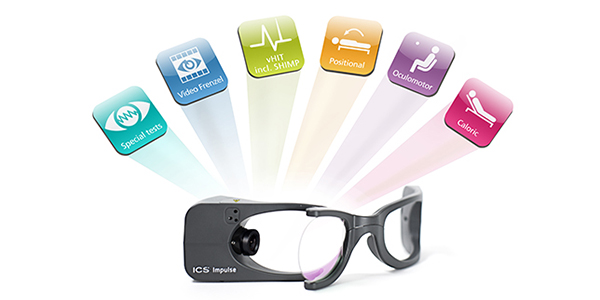
Modular vestibular testing system for vHIT, monocular VNG, caloric, oculomotor, and positional assessment, with head position feedback and the only vHIT validated against the scleral search coil gold standard.
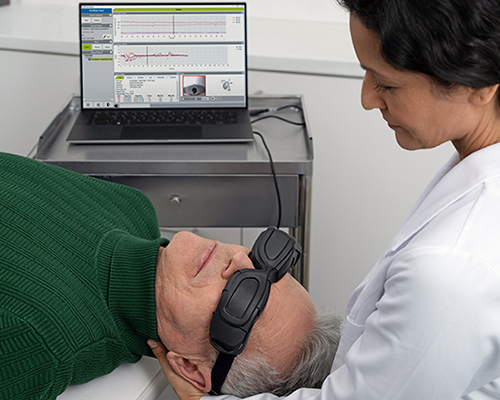
A video head impulse test, or vHIT, is an objective assessment of the vestibulo-ocular reflex, the reflex that keeps the eyes stable on a target during rapid head movement. The clinician delivers small, quick, unpredictable head rotations while the patient fixates on a target, and video goggles with a high-speed camera record eye movement relative to head movement. The system calculates VOR gain and identifies corrective saccades that, when interpreted together, can indicate reduced semicircular canal function.
First described in 1988 as a clinical sign of canal paresis, the head impulse test was originally observed with the naked eye. Video goggles made it possible to measure VOR gain values precisely and detect covert saccades that occur during the head impulse, invisible to the naked eye, alongside the overt saccades that follow. Because vHIT uses high-frequency head movements that mirror the angular velocity of daily life, it is a test that enables individual assessment of all six semicircular canals, and with objective data and accuracy it takes under 15 minutes from patient entry to reporting. Together with caloric testing and the wider vestibular assessment, vHIT helps localize peripheral vestibular disorders such as vestibular neuritis and bilateral vestibular hypofunction.
These capabilities support audiologists, ENT specialists, and balance clinicians in delivering reliable vHIT results across a wide range of clinical applications, from evaluating acute vestibular presentations to localizing chronic peripheral vestibular dysfunction.
Frequently asked questions
What is a video head impulse test?
A video head impulse test (vHIT) is an objective test of the vestibulo-ocular reflex and semicircular canal function. The clinician delivers rapid, small head rotations while the patient fixates on a target, and video goggles with a high-speed camera measure eye movement against head movement to calculate VOR gain and detect corrective saccades.Reduced VOR gain accompanied by corrective saccades is consistent with semicircular canal hypofunction on the affected side and should be interpreted in clinical context.
How does vHIT work, and what does it measure?
When the head turns, a healthy vestibulo-ocular reflex moves the eyes an equal and opposite amount to keep vision stable. vHIT measures this by comparing eye velocity to head velocity across a series of head impulses, producing VOR gain values. In a patient with vestibular loss, the eyes fall off target and make a corrective saccade to catch up. The system detects both overt saccades, which follow the head impulse, and covert saccades, which occur during it and are invisible to the naked eye.
What is the difference between vHIT and caloric testing?
Both assess the vestibular system but probe different things. Caloric testing uses warm and cool irrigation to stimulate the horizontal semicircular canal at a low frequency, valuable for assessing that canal in isolation. vHIT uses natural, high-frequency head movements and enables individual assessment of all six semicircular canals. It is quick and generally better tolerated, while caloric testing adds complementary information, which is why many clinics use both.
What conditions does vHIT help diagnose?
vHIT canal-specific findings, especially when combined with VEMP results, can help determine whether the superior or inferior vestibular nerve branch is involved. It supports the assessment of bilateral vestibular hypofunction and contributes to differentiating peripheral from central causes of acute vestibular syndrome when used within a broader clinical assessment. It is interpreted alongside patient history, oculomotor testing, and the wider vestibular assessment. Learn more in our guide on diagnosing peripheral vestibular disorders.
Does Natus Sensory offer service and support for vHIT systems?
Yes. ICS Impulse should be maintained and verified according to the manufacturer’s IFU and calibration recommendations to produce accurate, reliable results. Natus Sensory provides global service programs, technical support, calibration, and clinical education through the Natus Sensory training academy. ICS Impulse is also available through the FlexSelect subscription program, which bundles hardware, software, education, and service into quarterly payments.
Related Insights - more than 50 years of expert knowledge and experience

Request a quote
Ready to make a difference in patient care?
Learn more about our industry-leading solutions and how we can help advance your care capabilities.
054477 RevA