×
×
Filters
Natus Sensory carries forward the trusted Otometrics® legacy with decades of proven expertise in hearing and balance care. Our balance assessment portfolio provides the tools needed to evaluate the balance system with precision across a full range of medical conditions and for a full range of medical professionals, like ENT doctors, Physical Therapists and Neurologist.
Every device in our portfolio integrates with the Otosuite Vestibular software platform for unified diagnostics and reporting. VNG, vHIT, and caloric test data can be reviewed together in a single report, giving clinicians a complete picture of vestibular function to support accurate diagnosis and treatment decisions.
All Natus Sensory balance testing equipment is developed according to international standards, giving healthcare providers confidence in compliant, accurate results. Backed by global service, calibration, and education support, we help audiology clinics, hospitals, and outpatient settings deliver better balance outcomes for every patient.
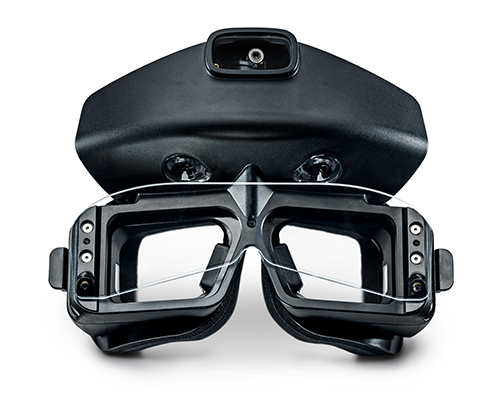
Balance assessment is the clinical process used to evaluate the vestibular system and identify the root cause of dizziness, vertigo, and balance disorders. Videonystagmography (VNG) is considered the gold standard, using high-frame-rate infrared cameras to track eye movements in response to different conditions and stimuli. It helps clinicians determine whether a balance disorder is peripheral or central in origin, which is a critical skill in building an effective treatment plan.
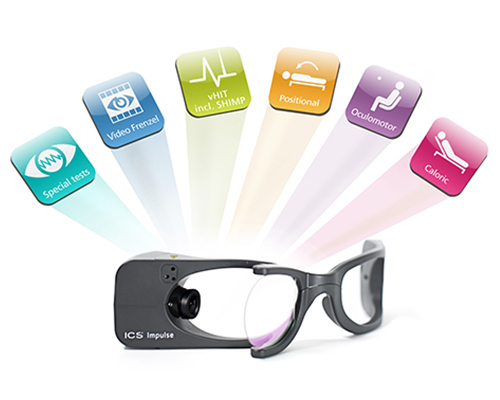
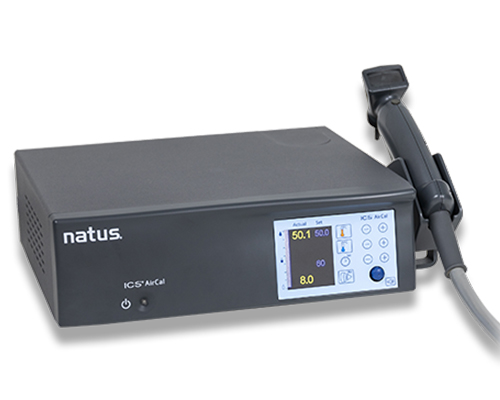
The video head impulse test (vHIT) assesses how the vestibulo-ocular reflex responds to rapid head movements, helping clinicians identify which ear is affected in cases of vestibular loss across all six semicircular canals. Caloric testing complements this by delivering controlled thermal stimuli to evaluate lateral semicircular canal function and measure functional symmetry between the left and right ears.
Together, these tools support comprehensive balance evaluation across all patient populations, including those presenting with traumatic brain injury, spinal cord injury, multiple sclerosis, and fall risk. Objective vestibular testing provides clinically relevant information on vestibulo-ocular function, supporting the evaluation of patients with dizziness and imbalance and informing diagnosis, rehabilitation planning, and ongoing treatment strategies.
Together, these capabilities help audiologists, vestibular therapists, ENTs, neurologists, physical therapists, and occupational therapists build a clearer clinical picture and support better balance outcomes for patients.
FAQ
What types of balance testing equipment does Natus Sensory offer?
Our balance assessment portfolio includes videonystagmography (VNG), video head impulse testing (vHIT), and air caloric irrigation systems. All three integrate on the Otosuite software platform for unified diagnostics and reporting.
What is VNG testing used for?
Videonystagmography (VNG) tracks eye movements in response to different conditions and stimuli to evaluate vestibular system function. It is considered the gold standard for diagnosing balance disorders and determining whether the cause is peripheral or central.
What is the video head impulse test (vHIT)?
The vHIT assesses how the vestibulo-ocular reflex responds to rapid head movements, helping clinicians identify which ear is affected in cases of vestibular loss. It can test all six semicircular immediately, providing results for follow-up treatments or further evaluation.
Who uses balance testing equipment?
Audiologists, vestibular therapists, ENTs, neurologists, physical therapists, and occupational therapists all use or refer patients for balance testing. It is used across a range of medical conditions, including traumatic brain injury, multiple sclerosis, spinal cord injury, and fall risk assessment.
Can VNG, vHIT, and caloric testing be performed with one device?
The ICS Dizcovery provides an all-in-one VNG solution with plug-and-play goggles and also integrates with the ICS Impulse and ICS Aircal on the same software platform.
Natus Sensory Academy
If you’re looking to expand your clinical knowledge, enhance your skills or make the most of your Natus Sensory solutions, explore the resources in our Academy. Learn about the latest science and technology from leaders in the field to make a world of difference for your patients.
052999 RevA