×
×
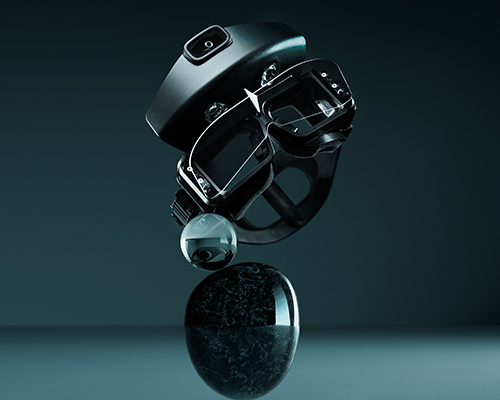
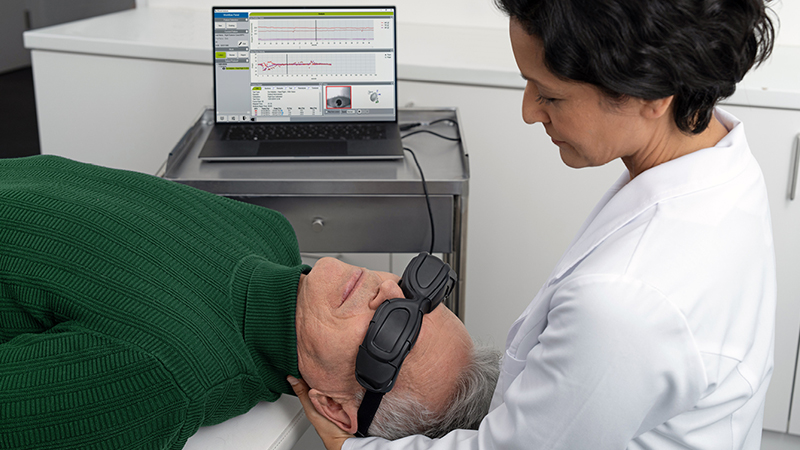
Advanced VNG solution delivering comprehensive vestibular assessment, incorporating video head impulse and caloric testing. It includes integrated USB-connected goggles with patented laser targeting and high-frame-rate binocular eye tracking. Engineered for clinical accuracy and optimized workflow, it utilizes modular software platforms for seamless diagnostics, data integration, and enhanced reporting capabilities.
Products
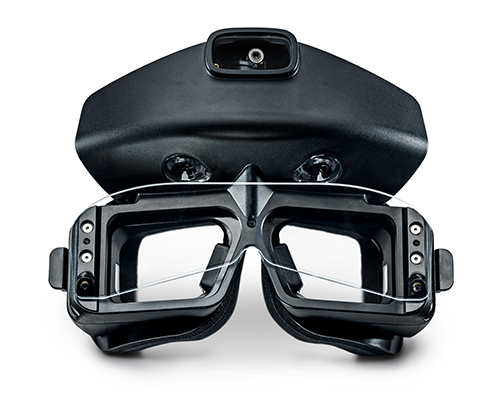
A plug-and-play high-resolution binocular VNG goggle with patented Freedom Laser which allows for precision of data and portability without a light bar for testing. The Dizcovery platform integrates with the Otosuite Vestibular software and hardware platform for vHIT with ICS Impulse and caloric testing with ICS Aircal.
A VNG balance test, or videonystagmography, evaluates the vestibular system by recording eye movement while the patient follows a visual target, holds different positions, and receives caloric stimulation. Because the inner ear and the muscles that move the eyes are linked through the vestibulo-ocular reflex, involuntary eye movements called nystagmus reveal how the balance system is working. Infrared cameras allow eye movements to be recorded both with visual targets and under vision-denied conditions, depending on the subtest.
VNG findings can help differentiate patterns consistent with peripheral vestibular dysfunction from findings that may suggest central involvement, and to help identify conditions such as benign paroxysmal positional vertigo, Meniere’s disease, and vestibular neuritis. A complete VNG test usually includes three groups of subtests: ocular testing that follows a moving visual target to assess central motor function and optokinetic nystagmus, positional testing that provokes positional nystagmus by moving the patient’s head into different positions, and caloric testing that introduces warm and cool air or water into the ear canal to predominantly stimulate the horizontal semicircular canal and compare responses between ears. Together, the VNG results introduces warm and cool air or water into the ear canal to predominantly stimulate the horizontal semicircular canal and compare responses between ears.
These capabilities support audiologists, ENT specialists, and balance clinicians in delivering reliable VNG results across a wide range of clinical applications, from evaluating recurrent or persistent vertigo to identifying findings suggestive of peripheral or central vestibular involvement.
Frequently asked questions
What is Videonystagmography?
A VNG balance test is a videonystagmography evaluation that records eye movement to assess the vestibular system and find the cause of dizziness, vertigo, and balance problems. Goggles with infrared cameras track nystagmus while the patient follows a visual target, moves through different positions, and undergoes caloric testing. Because the inner ear and eye movements are linked through the vestibulo-ocular reflex, eye-movement patterns can provide clues about whether findings are more consistent with peripheral vestibular dysfunction or central involvement.
What are the main tests included in a VNG evaluation?
Three main tests. Oculomotor testing uses a variety of visual targets to aid in identification of possible central involvement. Positional testing records nystagmus during maneuvers such as Dix-Hallpike and static positional testing that can aid in the diagnosis and localization of BPPV and other peripheral vestibular pathologies. Caloric testing introduces warm and cool air or water into the ear canal to stimulate stimulate the horizontal semicircular canal in each ear
What conditions can VNG testing help diagnose?
VNG testing can help differentiate patterns consistent with peripheral vestibular dysfunction from findings that may suggest a central cause. VNG can support evaluation of disorders such as BPPV, Ménière’s disease and unilateral vestibular hypofunction, including vestibular neuritis or labyrinthitis when interpreted with audiologic findings. Moreover, VNG can help flag findings that warrant further evaluation for central pathology. Results are read alongside hearing tests and patient history for an accurate diagnosis. Learn more in our guide on diagnosing peripheral vestibular disorders.
How should a patient prepare for a VNG balance test?
Preparation depends on the healthcare provider’s protocol, which often means avoiding certain medications, alcohol, and caffeine that can affect test results. Patients are usually asked to remove eye makeup so the infrared cameras track clearly, and possibly to leave contact lenses out. Because testing can temporarily provoke dizziness, patients should follow their clinic’s advice regarding driving or arranging transportation afterward.
Does Natus Sensory offer service and support for VNG systems?
Yes. ICS Dizcovery should be maintained and serviced according to the manufacturer’s recommendations with common items serviceable on site to reduce downtime.. Natus Sensory provides global service programs, technical support, calibration, and clinical education through the Natus Sensory training academy. ICS Dizcovery is not available in all countries, so contact your local Natus Sensory representative for availability.
Related Insights - more than 50 years of expert knowledge and experience

Request a quote
Ready to make a difference in patient care?
Learn more about our industry-leading solutions and how we can help advance your care capabilities.
054476 RevA