×
×
Deliver precise, patient-centered fittings with advanced systems
designed to ensure optimal hearing aid performance and comfort.
Hearing aid fitting is a key stage in the audiology workflow where clinicians translate diagnostic results into personalized hearing solutions. Using advanced hearing aid fitting systems, clinicians fine-tune and verify amplification to match each patient’s prescribed hearing targets.
Real-ear measurement (REM) allows clinicians to measure the actual sound level in the ear canal, confirming accurate output and ensuring the hearing aid performs as intended in real-world listening conditions. Verification ensures precision, repeatability, and patient comfort. Supported by Natus Sensory’s integrated fitting technology, clinicians can deliver consistent, evidence-based results that support long-term satisfaction.
These products support the fitting of individuals with hearing-related disabilities and handicaps.
Filters
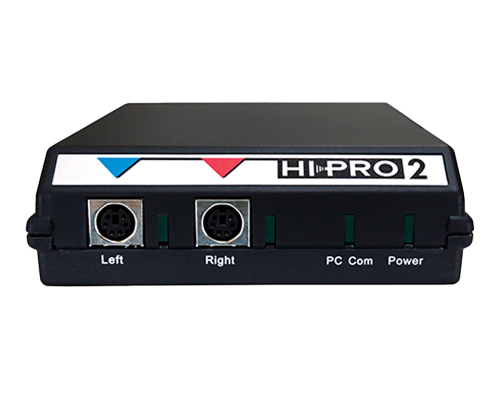
Natus Sensory carries forward the trusted Otometrics® legacy with decades of proven expertise in hearing and balance care. Our advanced hearing aid fitting systems support consistent, reliable, and efficient results for clinicians.
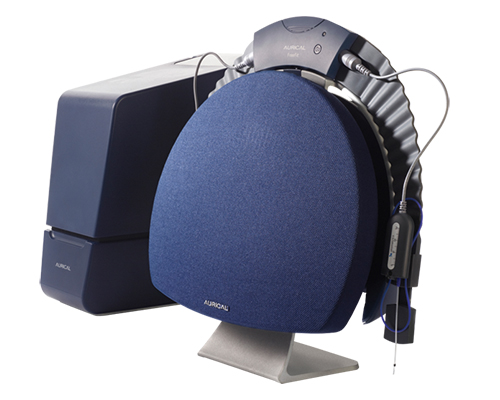
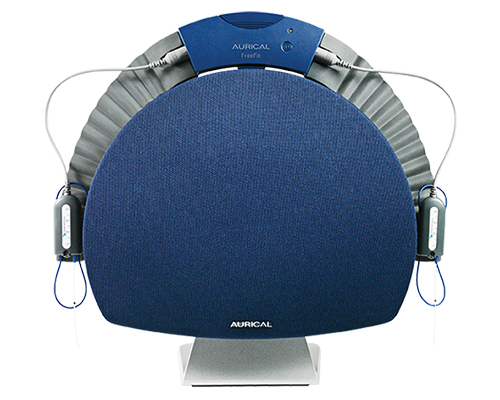
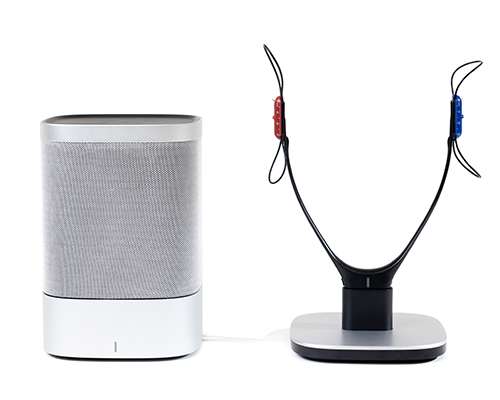
The Aurical® portfolio, integrated with OtoSuite® software, delivers a unified workflow for real-ear measurement, verification, and counselling. This integration improves clinical efficiency, simplifies daily routines, and ensures accurate and repeatable fittings across teams and locations.
All Natus Sensory fitting solutions are developed according to ANSI and IEC verification standards, giving clinicians confidence in compliant, high-quality measurement results. Backed by global service, education, and support, Natus Sensory empowers hearing care professionals to deliver precise, patient-centered care.
Clinical benefits
Together, these benefits help audiologists deliver efficient, patient-centered care while maintaining the highest standards of clinical accuracy.
FAQ
What is included in the modular hearing aid fitting system?
It integrates Video otoscopy, Audiometry (AUD), Probe Microphone Measurements (PMM) and Hearing Instrument Testing (HIT) into one streamlined platform.
How does the wireless REM system improve fitting accuracy?
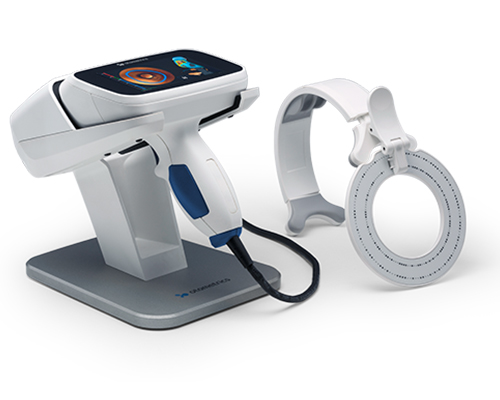
It offers binaural probe microphone measurement, guided probe placement, and automated integration with fitting software for precise real-ear verification.
What is the role of the test chamber in hearing aid fitting?
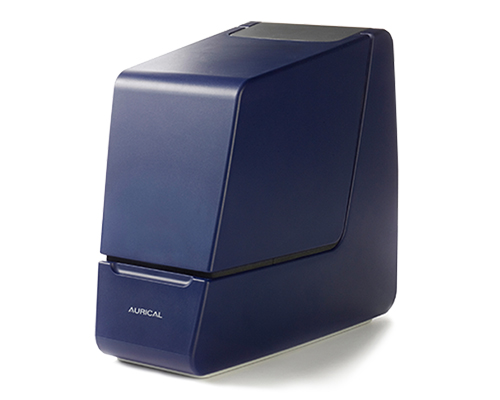
The test chamber enables coupler-based fitting with real-ear to coupler difference (RECD) measurements, wireless feature verification, and a fixed setup for consistent hearing aid performance testing.
How does video otoscopy enhance the fitting process?
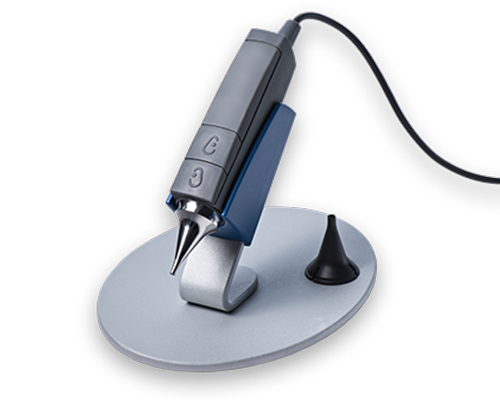
It provides real-time visual inspection of the ear canal during fitting, allowing clinicians to ensure correct device placement and identify any issues.
How can I improve hearing aid fitting efficiency?
Streamline fitting by delegating routine tasks, using portable test boxes, applying 3D ear scanning for accurate impressions, automating data transfer, and reducing patient visits with remote options. For more information read 5 Ways to Streamline Hearing Aid Fitting.
What benefits does binaural PMM provide?
Binaural PMM measures both ears simultaneously, reducing test time and improving fitting precision.
Why is hearing aid verification important?
Verification with real-ear measurements (REM) ensures accurate fitting to prescribed targets, improving patient outcomes and reducing returns. Learn how to streamline hearing aid fitting and improve patient flow.
What makes Aurical’s verification easier?
Aurical uses IMC2 integration for automated, guided verification directly within fitting software, streamlining workflow and reducing manual steps. Read more about integrated verification with Aurical.

Explore our education and learning resources:
Continuous learning ensures that every fitting not only meets standards but also exceeds expectations for accuracy and patient care.
051855 RevA