


 ×
×
Wavelength-optimized phototherapy systems designed to safely lower serum bilirubin levels in newborns across clinical and home care settings. The portfolio includes overhead units, blankets, and compact configurations, offering wavelength-specific blue light, adjustable intensity levels. All systems are built to meet AAP guidelines and support uninterrupted, family-centered care.
Products
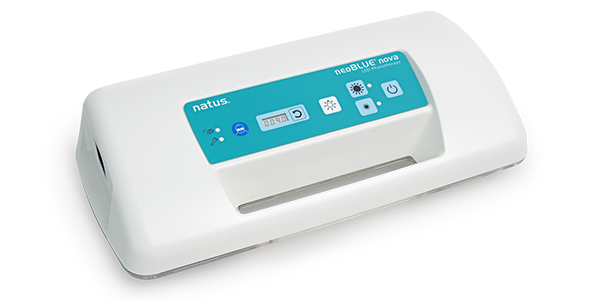
Versatile 3-in-1 LED phototherapy system with color-balanced blue and white light, adjustable intensity, and head-to-toe coverage for neonatal jaundice treatment.
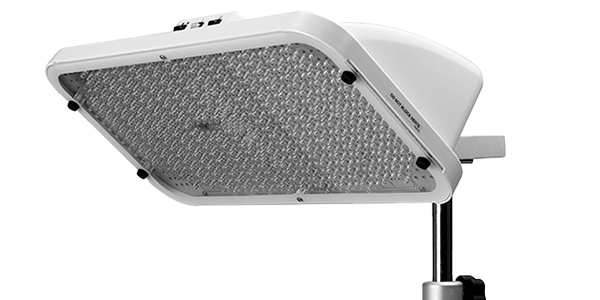
LED phototherapy system with adjustable light intensity, full-body coverage, and wavelength optimized for effective neonatal jaundice treatment.
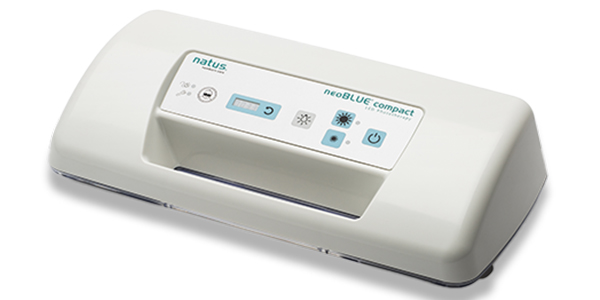
Compact LED phototherapy system with dual intensity settings, exam light, and adjustable arm for jaundice treatment in diverse care environments.
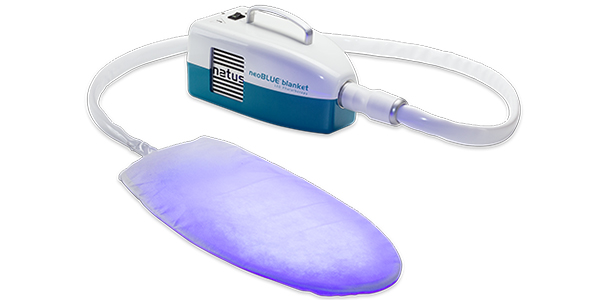
Portable LED phototherapy blanket providing continuous, effective neonatal jaundice treatment during holding, feeding, or at-home care.
Neonatal jaundice results from elevated serum bilirubin levels that accumulate when a newborn’s liver cannot process unconjugated bilirubin as quickly as it is produced. It is among the most common conditions in newborn infants, affecting a significant proportion of term babies and an even higher percentage of preterm infants. When total serum bilirubin rises above established thresholds, phototherapy is the primary treatment to prevent bilirubin toxicity and more serious outcomes, working by exposing the baby’s skin to blue light in the 450–475 nm range, which converts unconjugated bilirubin into water-soluble isomers that can be excreted without liver conjugation.
The effectiveness of phototherapy depends on irradiance level, wavelength, and the surface area of skin exposed. Overhead phototherapy lamps deliver treatment from above while the newborn rests in an incubator, bassinet, or radiant warmer, while blanket systems allow phototherapy to continue uninterrupted during feeding and holding. Both configurations meet AAP guidelines and can be combined for newborn infants requiring more intensive bilirubin reduction. Eye protectors are used throughout every phototherapy session to protect the newborn’s eyes from direct light exposure.
Together, these capabilities support neonatologists, NICU nurses, and newborn care teams in delivering safe, evidence-based phototherapy across the full range of patient needs, from physiologic jaundice in healthy term babies to more complex neonatal hyperbilirubinemia cases.
Frequently Asked Questions
How does LED phototherapy treat neonatal jaundice?
LED phototherapy exposes the newborn baby’s skin to blue light in the 450–475 nm spectrum, converting unconjugated bilirubin into water-soluble isomers that can be excreted without liver conjugation. This lowers total serum bilirubin over the course of phototherapy treatment without the need for exchange transfusion in most newborn infants.
What intensity settings do the neoBLUE® phototherapy systems offer?
The neoBLUE® product line offers standard phototherapy at 15 µW/cm²/nm and intensive phototherapy at 35 µW/cm²/nm, both aligned with AAP guidelines. The neoBLUE® blanket delivers intensive phototherapy above 30 µW/cm²/nm, and the neoBLUE® nova can be adjusted up to 55 µW/cm²/nm by a biomedical engineer when clinically appropriate.
What is the difference between an overhead phototherapy unit and the neoBLUE® blanket?
Overhead units like the neoBLUE® LED, nova, and compact deliver blue light from above to a wide surface area while the newborn rests in an incubator, bassinet, or radiant warmer. The neoBLUE® blanket wraps under the newborn, allowing phototherapy treatment to continue during breastfeeding and skin-to-skin contact. Both meet AAP guidelines and can be combined for newborn infants who require more intensive bilirubin reduction.
Which patients are candidates for neonatal phototherapy?
Phototherapy is the standard first-line treatment for neonatal hyperbilirubinemia when serum bilirubin levels reach established thresholds per AAP clinical guidelines. It is used for full-term newborns with physiologic jaundice, breastfed infants with breast milk jaundice, preterm infants with lower bilirubin treatment thresholds, and newborns with hemolytic disease or conditions associated with an increased risk of elevated bilirubin concentration.
How is phototherapy effectiveness monitored during treatment?
Clinicians monitor serum bilirubin levels through blood tests at regular intervals during phototherapy. The neoBLUE® radiometer can verify phototherapy unit irradiance output as recommended by the AAP, and eye covers should be used throughout each session to protect the newborn’s eyes. The integrated true-white exam light on the neoBLUE® nova supports visual skin examination without disrupting the clinical workflow.
Does Natus Sensory offer service and support for neoBLUE® phototherapy systems?
Yes. Phototherapy equipment requires regular maintenance and irradiance verification to deliver consistent, accurate treatment. We offer service programs including technical support, calibration with the neoBLUE® radiometer, and training resources through our education programs.

Request a quote
Ready to make a difference in patient care?
Learn more about our industry-leading solutions and how we can help advance your care capabilities.
053415 RevA