×
×
Deliver confidence in every fitting with solutions built for accuracy, speed, and seamless integration. From wireless real-ear measurement (REM) with Aurical® Freefit to reliable programming with Hi-Pro® 2, our solutions support precise, patient-centered care.
Products
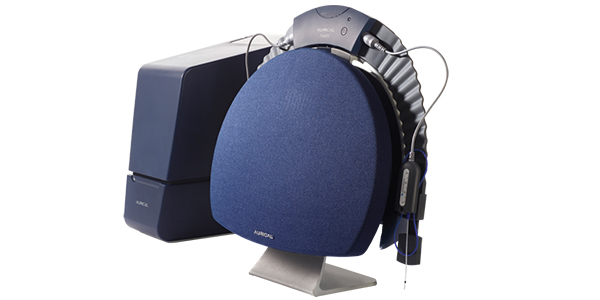
Modular hearing aid fitting system built around real ear measurement, with wireless binaural PMM, an integrated audiometer, a hearing instrument test chamber, and optional Hi-Pro 2.
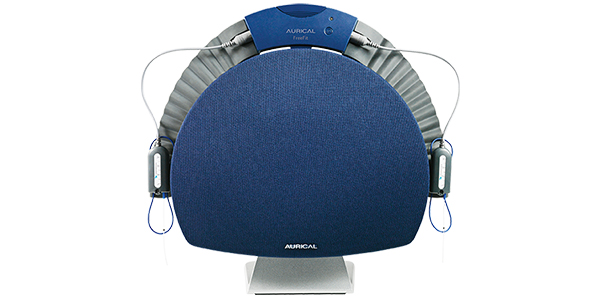
Wireless binaural real ear measurement system with guided probe tube placement, OnTarget matching, and automated integration with major hearing aid fitting software.
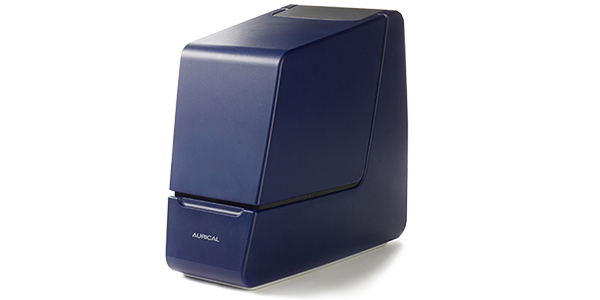
Hearing instrument test chamber for coupler-based fitting and RECD, with wireless feature verification and a fixed OnePosition setup for repeatable measurements.
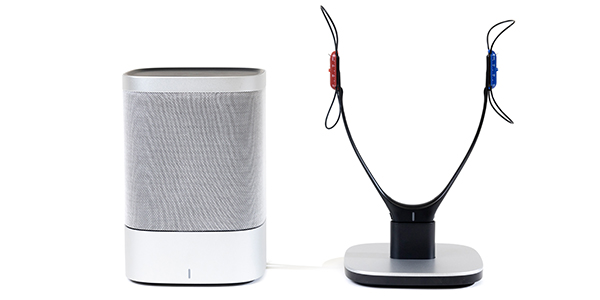
Portable audiometer in one compact unit, with an optional hearing instrument test box for fitting and verification in tighter spaces.
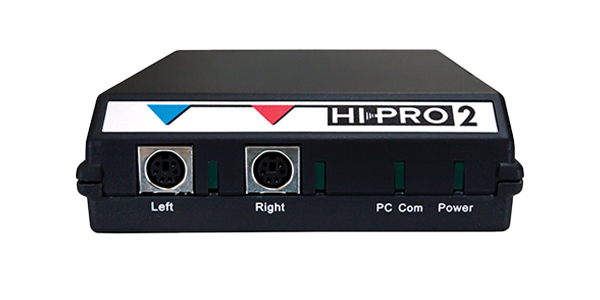
Universal hearing aid programming interface with high-speed data transfer and multi-brand compatibility, available standalone or integrated with the Aurical audiometer.
Hearing aid fitting is the clinical process of selecting, programming, and verifying a hearing aid so it matches a patient’s hearing loss and ear anatomy. It begins with a needs assessment, a hearing test covering air and bone conduction, and a review of medical history. The degree and configuration of the patient’s hearing impairment then guide aid selection, alongside their individual needs and daily routine. At the fitting appointment, a qualified clinician will adjust the hearing device to a prescriptive target rather than relying on manufacturer defaults.
Real ear measurement is the preferred verification method. A thin probe tube with a tiny microphone sits in the ear canal to record what the hearing aid delivers at the eardrum, so amplification matches the target for that patient’s unique ear. Beyond the initial fitting, the clinician counsels patients on realistic expectations, demonstrates features such as directional microphones and noise reduction for difficult settings like busy restaurants, and schedules follow-up appointments to fine-tune during the trial period.
These capabilities support audiologists and hearing care professionals at every stage of the fitting process, from the first appointment through the follow-up appointments that fine-tune each fit
Frequently asked questions
What is hearing aid fitting?
Hearing aid fitting is the process of selecting, programming, and verifying a hearing aid so it matches a patient’s hearing loss and ear anatomy. It typically starts with a needs assessment and hearing test, moves to aid selection and programming toward a prescriptive target, and includes verification with real ear measurement. Follow-up appointments then fine-tune the fit as the patient adjusts to better hearing in daily life.
What is real ear measurement, and why does it matter for hearing aid fitting?
Real ear measurement uses a thin probe tube and a tiny microphone placed in the ear canal to measure what a hearing aid actually delivers at the eardrum. It is the preferred method for confirming that a prescription hearing aid matches its prescriptive target, because output measured in the ear canal differs from manufacturer default settings. This accounts for each patient’s unique ear and supports consistent patient outcomes.
What happens at a hearing aid fitting appointment?
At the first appointment, the clinician reviews the patient’s medical history and hearing test results, confirms aid selection, and programs the new hearing aid. Real ear measurement verifies the fit against target, and speech mapping demonstrates real-world performance. The audiologist counsels the patient on realistic expectations and proper care, then schedules follow-up appointments during the trial period.
Which Natus Sensory hearing aid fitting system is right for my clinic?
Aurical is a modular system built around real ear measurement, with an integrated audiometer, hearing instrument test chamber, and optional built-in Hi-Pro 2. Aurical Freefit adds wireless binaural PMM for efficient verification. Aurical HIT handles coupler-based fitting and RECD. Otometrics Measure is a portable audiometer with an optional test box, and Hi-Pro 2 is the standalone programming interface. Modules can be combined or used separately as a clinic grows.
What is integrated verification, and which hearing aid brands are supported?
Integrated verification connects the fitting system with hearing instrument fitting software so measurement data flows automatically and the software adjusts the hearing aid toward target. Aurical supports integrated verification with Phonak, ReSound, Oticon, Unitron, Starkey, Signia, and Widex, along with several sub-brands, keeping programming and verification in one workflow.
How do these systems support fitting for noisy environments?
Aurical Freefit includes Feature2Benefit and two-channel stimulus modes that let clinicians demonstrate the potential benefits of hearing aid features such as directional microphones and noise reduction. Combined with speech-in-noise verification, this shows how a hearing aid performs in background noise, such as busy restaurants, and helps set realistic expectations for the patient.
Does Natus Sensory offer training and support for its fitting systems?
Yes. Annual calibration of the Aurical and Measure system ensures optimal performance and accurate real ear measurement and verification results. Natus Sensory provides global service programs, technical support, calibration, and clinical education through the Natus Sensory training academy.
Related Insights - more than 50 years of expert knowledge and experience

Request a quote
Ready to make a difference in patient care?
Learn more about our industry-leading solutions and how we can help advance your care capabilities.
054200 RevA