×
×
Pure tone, speech, and high frequency audiometry systems for hearing screening, diagnostic audiometry, and hearing aid fitting across audiology, ENT, occupational health, and school settings.
Products
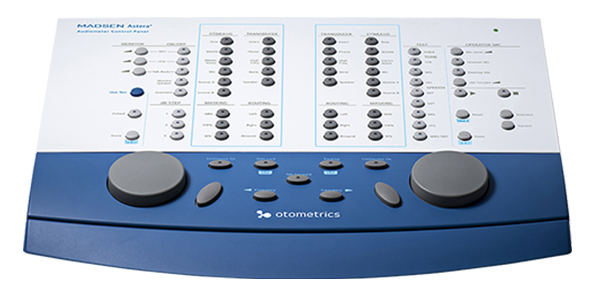
Advanced 2-channel clinical audiometer with high frequency audiometry up to 20 kHz, dedicated pediatric and tinnitus modules, special tests, and full Otosuite® integration.
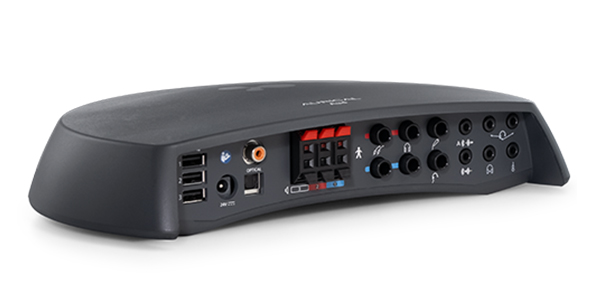
Compact fitting audiometer purpose-built for hearing aid fitting, with integrated counseling tools, RoomTune compensated sound, and Noah, Otosuite®, and EMR compatibility.
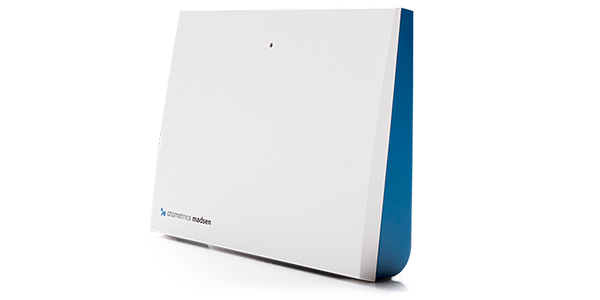
PC-based audiometer for air conduction, bone conduction, and speech audiometry, with Otosuite® counseling tools, Masking Assistant™, and customizable test results reports.
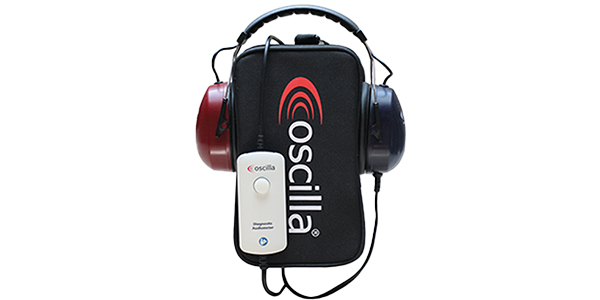
Ultra-portable, USB-powered screening audiometer for mobile hearing screening, speech testing, and hearing protection validation in occupational health and school environments.
An audiometer is a precision diagnostic device used to measure hearing threshold, identify hearing loss, and characterize the type and degree of auditory dysfunction. During a hearing test, the audiometer presents calibrated pure tone stimuli through earphones and a bone vibrator, mapping hearing sensitivity across the speech range and into high frequency audiometry above 8 kHz.
Pure tone audiometry establishes air conduction and bone conduction thresholds, while speech audiometry adds word recognition and speech reception measurements that reflect real-world communication ability. Together with special tests such as Tone Decay, SISI, and Stenger, these audiometric tests guide the diagnosis of conductive, sensorineural, and mixed hearing loss and inform hearing aid candidacy.
These capabilities support healthcare professionals in delivering accurate audiometric testing across a comprehensive range of clinical applications, from pediatric assessment and diagnostic audiometry to hearing aid fitting and occupational hearing screening.
Frequently Asked Questions
What does an audiometer measure?
An audiometer measures hearing threshold at multiple test frequencies through air conduction and bone conduction, producing an audiogram that documents the type, degree, and configuration of hearing loss. Diagnostic audiometers add speech audiometry, word recognition testing, masking, and special tests such as Tone Decay and high frequency audiometry.
What is the difference between a screening audiometer and a diagnostic audiometer?
A screening audiometer quickly identifies individuals who may have hearing loss using a limited set of pure tone frequencies. A diagnostic audiometer adds bone conduction, masking, speech testing, and special tests for a full clinical workup. The Oscilla functions as a portable screening audiometer, while the Madsen Astera² and Madsen A450 are diagnostic audiometers built for full audiometric testing.
What is pure tone audiometry, and how is it different from speech audiometry?
Pure tone audiometry measures the softest sound a patient can detect at each test frequency, establishing the hearing threshold for air conduction and bone conduction. Speech audiometry measures how the patient understands speech material, including speech reception threshold and word recognition scores. Both can be performed on the Madsen Astera², Madsen A450, and Oscilla A60.
Which Natus Sensory audiometer is best for hearing aid fitting?
The Aurical Aud is a dedicated fitting audiometer with integrated counseling tools, RoomTune compensated sound, and direct Noah, Otosuite®, and EMR connectivity. The Madsen A450 also supports hearing aid counseling with simulators, audiogram overlays, and personalized test results reports for patient-facing discussions.
Can a portable audiometer be used outside a sound booth?
Yes. The Oscilla A30, A50, and A60 are USB-powered audiometers paired with noise-cancelling headphones, supporting mobile hearing screening in occupational health programs and school settings. For full diagnostic audiometry, including bone conduction and high frequency audiometry, a sound-treated room is recommended to control ambient noise and protect hearing threshold accuracy.
What is high frequency audiometry, and why does it matter?
High frequency audiometry tests pure tone thresholds above 8 kHz, typically up to 16 or 20 kHz. It helps detect early ototoxic damage, noise-induced hearing loss, and other conditions that affect high frequency hearing before changes appear in the standard audiogram. The Madsen Astera² supports high frequency audiometry up to 20 kHz with HDA 300 earphones.
Does Natus Sensory offer service and support for audiometers?
Yes. Every audiometer is a precision medical device that requires regular calibration to deliver accurate test results. Natus Sensory provides global service programs, calibration, technical service, and education through training academies and online resources for hearing care professionals.
Related Insights - more than 50 years of expert knowledge and experience

Request a quote
Ready to make a difference in patient care?
Learn more about our industry-leading solutions and how we can help advance your care capabilities.
053562 RevA